
In my fashion class, we have been exploring the world of fabrics and the array of ways they are used in our fashions. With this newly acquired information, I have been more skeptical about what my preferred pieces in my closet are made of. As I reflect on what I wear day-to-day, I find myself wearing a lot of athleisure clothing to make for an easy transition from class to the gym. The majority of my workout clothes are made of synthetic fibers such as polyester(Figure 2) and spandex(Figure 1); these materials have unique properties that make for sustainable and performance-friendly pieces as they help wick away moisture as I get my sweat on.
The physical properties of polyester that makes it ideal for workout clothes is the fabric’s durability and resistance to wrinkles and wear and tear. While this fabric can be known for trapping in moisture, many manufactures choose to produce their products with a polyester-cotton blend; this makes it more light-weight and breathable. Additionally, this man-made fabric is made from small spindles of plastic making easy and cheap to produce; this is good for the retailers because they can produce the product for less and either make higher profit off of each sale or encourage customers to buy more pieces as a result of lower prices. Polyester is often blended with cotton for a softer textile or with spandex to allow clothes to move as one with the body(ideal for exercise).
As the textile industry continues to expand and find new materials, techniques, and hot trends within society the more options are being released into the market. A current trend within the fashion industry touches on the prevalent issue of climate change and finding more sustainable, eco-friendly materials. One engineer who introduced a whole new realm of fabric possibilities to the world of fashion is Anke Domaske and her personal brand, QMilch. The wonderful part of her products are the fact that it is made from a plentiful source- milk(Figure 3). More specifically, the proteins within milk have an atomic structure that allows it to bond to each other creating a strong enough materials to mimic that of cotton or silk; this durable fabric performs at the same level yet comes from a mush cheaper source. This could indicate the era of unique materials being introduced to the world whilst helping the world continue to prosper for many generations (of fashions) to come!
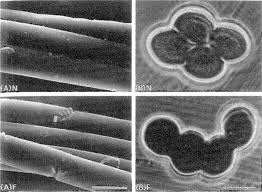 Figure 1
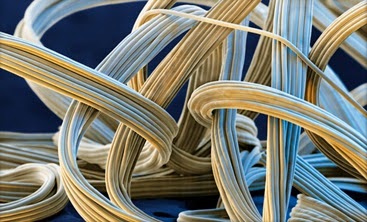 Figure 2
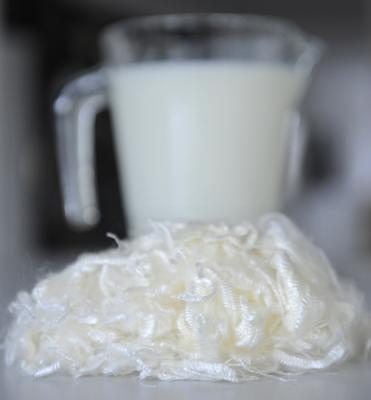 Figure 3
 Femme Fatale