
As a life-long lover of fashion, I have always had a positive connotation of anything and everything related to fashion. Countless patterns and textures fill clothing racks while glossy heels and beautifully detailed accessories are meticulously perched in displays. Who could blame me for loving something so eye-catching? While the surface layer of the fashion industry is glitz and glam, there is a hidden darkness. It was not until I was older and learned more about the industry that I began to realize the corruption prevalent within fashion’s business practices.
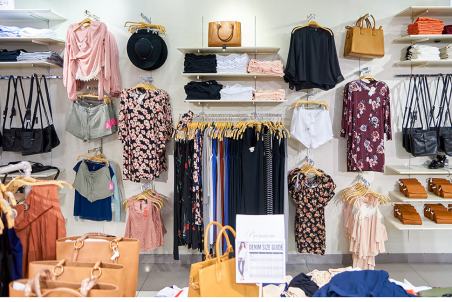
Although this industry is appealing from the outside, there has been increasing concerns as the fashion industry continues to expand throughout markets worldwide while also neglecting to address the consequences of the surging industry. Some of the concerns are, but not limited to: environmental, labor, and societal concerns. My understanding of these particular issues were very minuscule and I most certainly did not know the extent of the fashion industry’s influence within these dark realities. This all changed when my Survey of the Fashion Industry class began discussing the cause and effects of fashion, more specifically fast fashion. In compliance to this topic, we watched two documentaries, The True Cost and Clothes To Die For. These both helped me further understand the negative effects of this industry and I thought I would share my insights…


So what is fast fashion? Well, fast fashion is inexpensive clothing and accessories produced rapidly by mass-market retailers in response to the latest trends. Popular fashion retailers that have leading roles within fast fashion is H&M, Forever 21, Zara, and countless more. As indicated previously, fast fashion has many harmful consequences that I will discuss in depth, but first, I wanted to discuss some of the up-sides to the fast fashion industry. Positives include the ability for anyone to access the latest trends, there are endless options because styles and trends are constantly evolving, and their lower prices makes items more affordable thus generating increased demands. But as I am about to discuss, this is, indeed, too good to be true.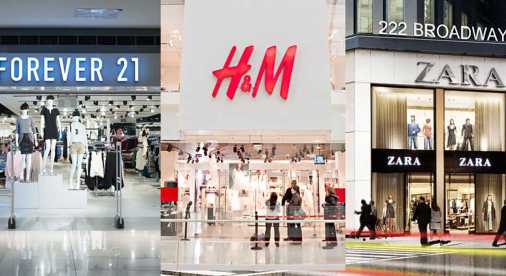
To start off, a prevalent downside to the fashion industry are the environmental effects. The mass production of textiles results in a lot of wasted materials, as well as, chemical runoff from those materials. This chemical is used within fabrics and as a result of this, there is an increasing concern for the presence of Chromium 6 within drinking water. This is an extremely toxic form of chromium, and is known to cause cancer, even at very low concentrations.The extent at which Chromium 6 is being used within clothing production is overwhelming water supplies due to the fact that so much water is needed for the production of each garment. Furthermore, the wasted fabrics and materials are all dumped into landfills which not only suffocates the Earth but decreases air quality. Similar to the side effects of chromium 6, specially-developed chemicals are used within growing agriculture, such as cotton production. These chemicals help kill off pests and bugs to ensure crops grow which is to accommodate the increasing demand for fabric/materials. The health of ourselves and the planet are at steak as toxins continue to infiltrate our air, water, and land.


An additional concern of the fast fashion industry are its labor regulations, or lack thereof. Mass fashion retailers must be able to sell their clothes for cheap because of the highly competitive, capitalistic market of current day society. This means that mass retailers must be able to make the clothes for even more cheap and pay the people doing the work even cheaper! Most fast fashion production takes place in under-developed countries such as India and Bangladesh because retailers are able to save a lot of money by shipping their production to a country that will do it for cheap. These clothing factories are often referred to as sweatshops because of the cramped, stuffy conditions of the poorly constructed buildings. With little to no government regulations, living wages or set hours for working do not exist. Not only is the livelihood of the workers impeded upon by such conditions but their lives are physically threatened for that there is a lack of safety regulations when it comes to buildings, machinery, and chemicals. A day that will live in infamy is the collapse of the Bangladesh clothing factory, Rhana Plaza, in April of 2013. As a result of greed and negligence by the factory owner, thousands of workers were killed under fallen materials such as cement walls and steel rods.This event, although horrendous, increased amount of media attention to the corruption of outsourced clothing factories.


Another issue that arises as a component within the fashion industry is fair trade. This exploitation of impoverished citizens to make clothes for a few dollars a day is an unfair trading practice. The mass retailers that commission orders to sweatshops are contributing to the inhumane treatments of workers. Furthermore, the mass outsourcing prevalent within fast fashion is taking away from the demand of other markets; the domestic markets of the U.S. lose a customer base as well as the markets in 3rd world countries. This can only be helped throughout the implementation of fair trade practices were foreign people are paid properly and foreign businesses are regulated to avoid monopolization.
A final element of the fast fashion industry is its toll on societies mental health. We have capitalism to thank for the spending habits of developed nation. While capitalism can be good for the economy, it is not good for one’s well-being because it promotes the idea that happiness comes from attainment of items. This has become a disease within the industry where having and spending money is applauded rather than sustainability. If society wants to see improvements within the fashion industry, we must start to shift our mindset to a way thinking that does not involve need for every and all fashions. A movement that has helped bring awareness to this issue is The Green Carpet Challenge which has acted as a catalyst to sustainable fashion practices. Rather than going out and buying another outfit, get creative and make something unique. Not only will you have a one-of-a-kind garment but you will also be taking a step away from fast fashion. So take a step back from fast fashion with me and do The Green Carpet Challenge!


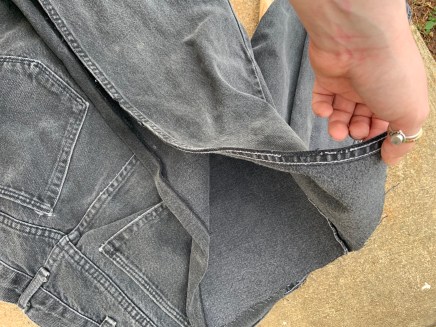






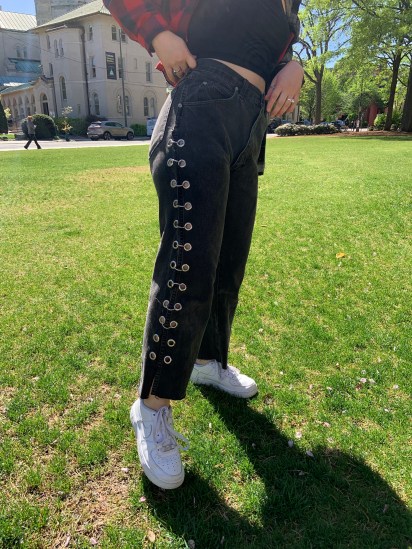



 Figure 1
 Figure 2
 Figure 3











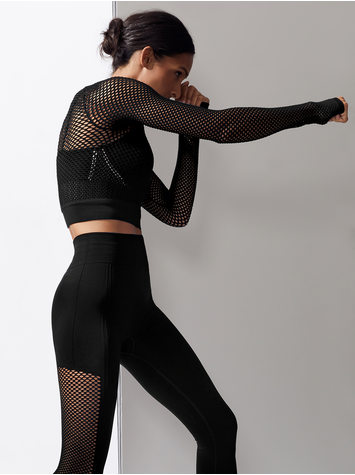
 Femme Fatale